
 By
By 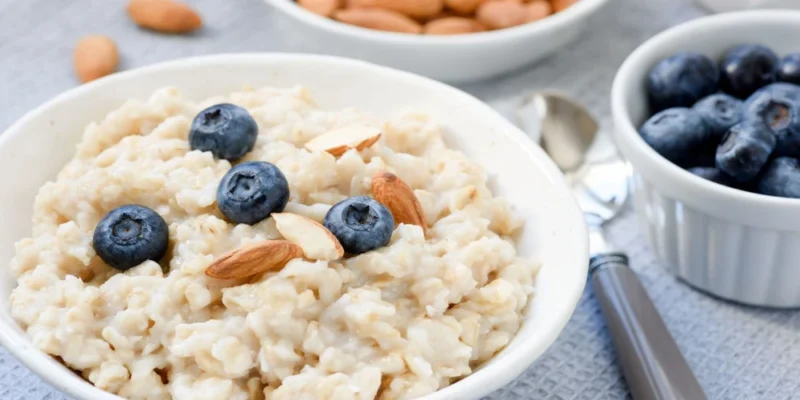
Oats can be part of a nutritious breakfast, but they do not cause weight loss automatically. A systematic review of oats in people with type 2 diabetes found benefits for some glucose and blood-lipid measures. The findings support oats as a useful whole-grain food, not as a product that allows unlimited portions or guarantees weight loss.
The first common mistake is using an unmeasured portion. Dry oats look small before cooking, so it is easy to pour more than intended.
Check the serving information and adjust it according to appetite, body size, activity and the rest of the day’s food.
The second mistake is choosing heavily sweetened instant oats. Some flavoured packets contain added sugar, sweeteners, powdered cream or other ingredients.
Plain oats allow the person to control what is added. Cinnamon, a modest fruit portion or another unsweetened flavour may be used instead.
The third mistake is adding several high-calorie toppings at once. Nuts, seeds and nut butter can provide useful nutrients, but they are energy-dense.
A bowl containing honey, dried fruit, nuts, seeds, chocolate and nut butter may provide far more energy than expected.
The fourth mistake is using too little protein. Oats mainly provide carbohydrate and fibre. Adding a suitable protein source may make the meal more balanced and filling.
Options may include milk, plain curd, eggs, paneer, nuts, seeds or another protein source that fits the person’s dietary and medical needs.
The fifth mistake is believing that the rest of the day no longer matters. A healthy breakfast cannot compensate for frequent sugary drinks, oversized meals, poor sleep and low activity.
Cooking method also matters. Oats made with large amounts of cream, sugar or sweetened condensed milk are different from a simple bowl made with plain milk or water.
People with diabetes should consider the combined carbohydrate from oats, milk, fruit and sweeteners.
People with kidney disease may need individual guidance about protein, potassium and fluid. People with coeliac disease should choose certified gluten-free oats when advised, because ordinary oats may be contaminated during processing.
Oats can also be used in savoury meals. Vegetables, spices and a suitable protein source may create a practical alternative to a sweet breakfast.
Madhavbaug provides a detailed guide on using oats for weight management. Information about its wider health programmes is available from Madhavbaug.
No diet pill, grain or single breakfast can replace a complete weight-management plan. Individual nutrition advice may be needed where medical conditions are present.









Comments