
 By
By 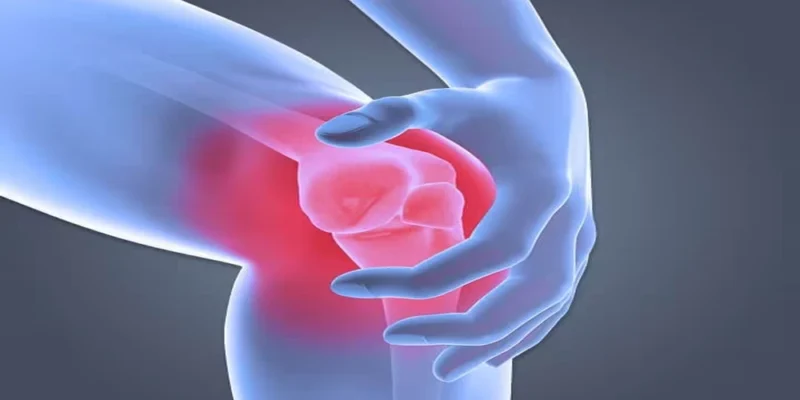
Climbing stairs, sitting cross-legged on the floor, getting up from a low chair: everyday movements we take for granted can become painful when the knees start to hurt. Knee joint pain is one of the most common complaints among adults in India, and its link with excess body weight is often underestimated. Understanding why it happens is the first step towards lasting relief.
How the Knee Works
The knee is a hinge joint where the thigh bone, shin bone and kneecap meet. Smooth cartilage covers the ends of the bones, cushioned by two crescent-shaped pads called menisci. Ligaments hold the joint stable, and strong thigh muscles absorb shock with every step. When any of these structures is damaged or overloaded, pain follows. Because the knee bears so much of the body’s weight, it is one of the joints most vulnerable to wear and tear over time.
Common Causes
- Osteoarthritis: the gradual wearing down of cartilage, the leading cause of knee pain after the age of 40. Read more about osteoarthritis and how it progresses.
- Excess weight: extra body weight places more load on the knees, accelerating cartilage wear.
- Injuries: ligament sprains, meniscus tears or fractures from falls or sports.
- Inflammatory arthritis: conditions such as rheumatoid arthritis cause swelling and stiffness in multiple joints.
- Gout: uric acid crystals can trigger sudden, intensely painful flares.
- Weak muscles and poor posture: weak thigh and hip muscles shift more strain onto the joint.
- Vitamin D deficiency: common in India and linked with bone and muscle weakness.
The Weight Connection
When you walk, the force passing through your knees is several times your body weight. Research suggests that every kilogram of weight lost removes about four kilograms of load from the knees with each step. Over thousands of steps a day, that adds up enormously.
Fat tissue is also metabolically active. It releases inflammatory substances that may contribute to joint damage, which helps explain why obesity is linked with arthritis even in non-weight-bearing joints such as the hands. Addressing obesity is therefore one of the most effective knee treatments available. For many people, losing even five to ten percent of body weight leads to noticeably less pain and better mobility.
Symptoms to Watch For
- Pain while climbing stairs, squatting or standing up
- Morning stiffness that eases after moving around
- Swelling or a feeling of warmth around the joint
- Grinding, clicking or crackling sounds
- A feeling of the knee “giving way” or locking
Relief You Can Start at Home
Lose weight gradually
A balanced diet with fewer refined carbohydrates and fried foods, more vegetables, pulses and protein, and controlled portions can bring steady weight loss that the knees will thank you for.
Strengthen the supporting muscles
Simple exercises such as straight-leg raises, wall sits, step-ups and hamstring stretches build the muscles that protect the joint. A physiotherapist can tailor a programme to your condition.
Choose low-impact activity
Walking on even ground, cycling and swimming keep joints mobile without excessive impact. Avoid long periods of squatting and kneeling.
Use heat and cold sensibly
A warm compress can ease stiffness, while a cold pack for 15 minutes can reduce swelling after activity.
Wear supportive footwear
Cushioned, well-fitting shoes reduce the impact transmitted to the knees.
Medical and Integrated Care
Professional knee pain treatment depends on the cause and severity. Options include physiotherapy, pain-relief medicines prescribed by a doctor, supportive braces, joint injections and, in advanced osteoarthritis, knee replacement surgery.
Ayurveda describes degenerative knee pain as sandhivata, a Vata disorder of the joints. Supervised therapies such as abhyanga (oil massage), janu basti (warm medicated oil pooled over the knee) and herbal preparations are traditionally used for comfort and mobility. These can complement medical care, especially when combined with weight management, but should be guided by a qualified practitioner.
Daily Habits That Protect Your Knees
Small changes make a big difference over time. Use a chair or a raised seat instead of sitting on the floor for long periods. Prefer western-style toilets if squatting is painful. Take short walking breaks during long hours of sitting so the joints do not stiffen. Hold the railing on stairs and avoid carrying heavy loads. Maintain good vitamin D and calcium levels through diet, safe sunlight exposure and supplements if your doctor advises them.
When to See a Doctor
Seek medical advice promptly if you have:
- Severe pain or swelling after an injury
- Inability to bear weight on the leg
- A red, hot, swollen knee with fever
- Pain that persists for more than a few weeks despite rest and home care
- A knee that repeatedly locks or gives way
The Bottom Line
Knee joint pain is common, but it is not something you simply have to live with. Gradual weight loss, targeted strengthening, low-impact activity and timely medical care can reduce pain significantly and help you stay active and independent for years to come.
Disclaimer: This article is for general information only and is not a substitute for medical advice. Please consult a qualified doctor before starting or changing any treatment.







Comments