
 By
By 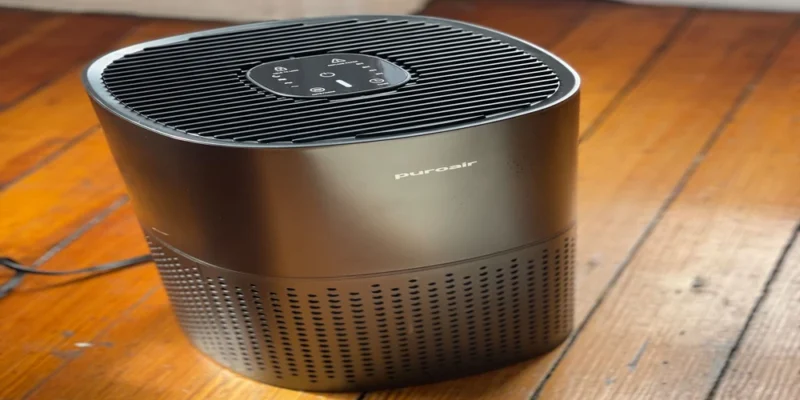
Modern homes face many air quality challenges. The air often carries dust and pollen. Pet dander also creates discomfort indoors. So many families seek cleaner air. The demand for smart purification grows rapidly. The market now offers advanced solutions. But performance differences remain significant. The right system improves daily comfort. Now informed choices matter more than ever. Smart technology helps monitor conditions effectively. The focus should remain on real results. Reliable filtration supports healthier indoor living.
Understanding the Importance of Advanced Filtration
The filtration system drives overall purifier performance. The best units capture tiny airborne particles. So, allergens remain trapped effectively indoors. Fine dust often spreads unnoticed. But advanced filters reduce this concern. The cleaning process becomes more efficient. Strong filtration improves everyday breathing comfort. Sometimes traditional systems lose effectiveness quickly. The latest technologies address this limitation. Smart designs maintain steady airflow performance. The goal remains cleaner indoor environments. Better filtration often means fewer allergy triggers. The difference becomes noticeable over time.
Airflow Design and Allergy Control Efficiency
Airflow quality matters greatly for results. Strong circulation distributes clean air effectively. Contaminants receive greater filtration exposure. Poor airflow limits purification benefits. But optimized designs improve room coverage. The movement of air stays balanced. Sometimes overlooked design features create differences. Efficient circulation reduces stagnant indoor zones. The purifier reaches more airborne allergens. Smart engineering supports stronger overall effectiveness. Many evaluations of air purifiers for allergy sufferers compared reveal airflow quality as a critical factor. The relationship between airflow and filtration remains important. Better circulation strengthens allergy management efforts.
Connectivity Features That Offer Practical Benefits
Smart connectivity adds useful functionality today. Mobile applications simplify daily management tasks. So, performance tracking becomes much easier. Real-time notifications provide valuable information. The user receives updates immediately. Sometimes filter maintenance gets forgotten. But connected systems prevent this issue. Remote controls improve convenience significantly. The purifier settings remain accessible anywhere. Smart scheduling supports efficient operation patterns. The technology also enhances long-term reliability. Companies such as Airdog recognize this growing demand. The focus remains practical value rather than novelty. Useful features improve the ownership experience.
Long-Term Performance and Maintenance Considerations
Long-term efficiency deserves careful attention. Consistent performance supports lasting allergy relief. So, maintenance requirements influence overall value. Durable systems reduce replacement concerns. The design should encourage simple upkeep. Sometimes neglected maintenance lowers effectiveness greatly. But smart reminders help avoid problems. High-quality components extend operational lifespan. The purifier continues delivering reliable results. Airdog and similar innovators emphasize sustained performance benefits.
Conclusion
Smart air purifiers continue evolving rapidly. The most valuable features deliver measurable benefits. So, filtration and monitoring remain essential priorities. Effective airflow strengthens purification performance significantly. Connectivity improves convenience and system management. Sometimes marketing claims create confusion. But practical performance indicators reveal true value. Airdog represents one example of innovation within this competitive space.








Comments