
 By

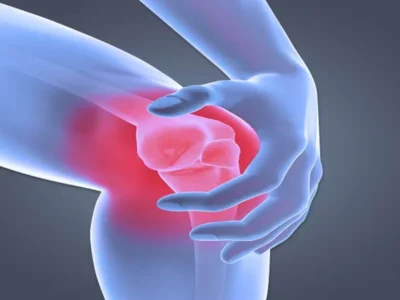
When people embark on weight loss journeys, they often focus exclusively on diet modifications and cardiovascular exercise while overlooking a critical component of sustainable metabolic health: the musculoskeletal system. Pain, restricted mobility, and structural imbalances don’t just limit your ability to exercise-they can fundamentally alter how your body processes energy, stores fat, and responds to dietary interventions. For those struggling with chronic discomfort that sabotages their wellness goals, addressing the underlying mechanical issues may be the missing piece in achieving lasting results.
How Chronic Pain Disrupts Metabolic Function
Persistent musculoskeletal pain creates a cascade of physiological responses that extend far beyond the affected area. When your body experiences chronic discomfort, stress hormone production increases, particularly cortisol, which directly influences fat storage patterns. Elevated cortisol levels promote visceral fat accumulation around abdominal organs, the type of fat most strongly associated with metabolic syndrome, insulin resistance, and cardiovascular disease.
Pain also reduces sleep quality, and poor sleep disrupts the balance of hunger hormones ghrelin and leptin. Studies show that even partial sleep deprivation increases ghrelin, which stimulates appetite, while decreasing leptin, which signals fullness. This hormonal imbalance makes adherence to any dietary protocol exponentially harder, creating a frustrating cycle where willpower alone cannot overcome biological signals.
Beyond hormonal disruption, chronic pain limits physical activity in ways both obvious and subtle. You might avoid formal exercise, but you’re also likely moving less throughout the day-taking fewer steps, sitting more often, and choosing convenience over movement. This reduction in non-exercise activity thermogenesis (NEAT) can account for several hundred calories of daily energy expenditure, a significant factor in weight regulation that operates independently of structured workouts.
The Movement Quality Factor
Even when people with musculoskeletal issues commit to exercise programs, compensatory movement patterns can undermine their efforts. When one area of the body doesn’t function optimally, other structures compensate, creating inefficient movement mechanics that increase injury risk and reduce workout effectiveness. Someone with hip restrictions might overuse their lower back during squats, or shoulder dysfunction might prevent proper form in upper body exercises.
These compensation patterns don’t just limit strength gains-they can make exercise unnecessarily exhausting, requiring more energy for less mechanical work. This inefficiency might seem advantageous for calorie burning in the short term, but it’s unsustainable. People abandon exercise programs not because they lack motivation, but because their bodies signal that something isn’t working correctly. The soreness that follows becomes chronic rather than productive, and the expected improvements in energy and function never materialize.
Postural Alignment and Breathing Efficiency
Structural misalignments affect breathing mechanics, which has direct implications for exercise capacity and autonomic nervous system balance. Forward head posture and thoracic rigidity restrict diaphragmatic movement, forcing reliance on accessory breathing muscles in the neck and shoulders. This breathing pattern is less efficient and keeps the body in a sympathetic (stress) state rather than allowing proper recovery through parasympathetic activation.
Proper breathing mechanics support both exercise performance and metabolic health. Efficient breathing delivers oxygen more effectively to tissues, supports core stability during movement, and helps regulate the nervous system’s response to stress. When structural issues compromise breathing, every activity becomes more difficult, and the body remains in a state of physiological stress that opposes fat loss efforts.
Integrating Structural Care with Metabolic Goals
For individuals in the UAE facing mobility challenges that interfere with their health objectives, manual therapy approaches can address restrictions that prevent effective movement. Practitioners who specialize in treating the musculoskeletal system use hands-on techniques to improve joint mobility, release soft tissue restrictions, and restore proper biomechanics. Those seeking comprehensive support may benefit from facilities offering integrated services, where specialists such as an osteopath abu dhabi work alongside other healthcare providers to address both structural and metabolic concerns within a coordinated treatment framework.
The goal of this approach isn’t to replace dietary interventions or eliminate the need for lifestyle changes, but to create the physical foundation that makes those changes sustainable. When movement becomes less painful and more efficient, exercise adherence improves naturally. When sleep quality increases and stress hormone levels normalize, the body becomes more responsive to nutritional interventions. This integrated perspective recognizes that sustainable weight management requires addressing multiple systems simultaneously rather than isolating diet from physical function.
Building a Movement Foundation
Once acute restrictions are addressed, the next phase involves retraining movement patterns and gradually rebuilding capacity. This progression must respect current limitations while systematically expanding them. Starting with basic mobility work-controlled movements through available ranges of motion-helps establish neuromuscular control before adding resistance or complexity.
Simple practices yield substantial benefits when performed consistently. Daily walking, when pain permits, provides low-impact cardiovascular conditioning while promoting joint health through natural movement. Floor work that emphasizes transitions between positions-sitting to kneeling, kneeling to standing-develops functional strength patterns that translate to everyday activities. Resistance training, introduced gradually with proper form emphasis, builds muscle tissue that increases resting metabolic rate and improves insulin sensitivity.
The financial burden of managing chronic health conditions, including those related to metabolic dysfunction and mobility limitations, represents a significant concern for many households. Research on healthcare costs and their impact on family budgets demonstrates how medical expenses can create barriers to accessing necessary care, making preventive approaches and early intervention particularly valuable from both health and economic perspectives.
The Nutrition-Movement Connection
Dietary strategies become more effective when paired with improved physical function. Adequate protein intake supports muscle recovery and maintenance, particularly important when rebuilding movement capacity. Sufficient protein-roughly 1.6 to 2.2 grams per kilogram of body weight for those engaged in regular resistance training-preserves lean tissue during weight loss and provides sustained satiety that supports calorie control.
Anti-inflammatory dietary patterns may complement hands-on treatment approaches by reducing systemic inflammation that contributes to pain and metabolic dysfunction. Emphasizing whole foods, omega-3 fatty acids from fish or algae sources, colorful vegetables rich in polyphenols, and minimizing processed foods high in refined sugars and industrial seed oils creates an internal environment more conducive to healing and metabolic optimization.
Hydration deserves particular attention, as even mild dehydration impairs physical performance, cognitive function, and may be misinterpreted as hunger. Connective tissue health, crucial for musculoskeletal function, depends on adequate fluid intake to maintain the extracellular matrix that surrounds and supports all tissues. For individuals seeking advanced treatments for various health concerns, including specialized dermatological interventions, medical tourism destinations have expanded options for comprehensive care that addresses multiple wellness dimensions simultaneously.
Monitoring Progress Beyond the Scale
When addressing both structural and metabolic health, traditional weight-focused metrics provide incomplete information. Pain levels, movement quality, energy throughout the day, sleep quality, and functional capacity-your ability to perform daily activities without discomfort-offer valuable feedback about whether interventions are working. Someone might maintain stable weight while gaining muscle and losing fat, improving dramatically in function and metabolic health without significant scale changes.
Tracking these qualitative improvements helps maintain motivation during plateaus and reinforces the understanding that health encompasses more than body composition alone. A person who can now exercise without pain, sleep through the night, and move freely through daily activities has achieved meaningful success regardless of whether they’ve reached an arbitrary weight target.
Creating Sustainable Systems
Long-term success requires building habits that persist without constant conscious effort. This means designing your environment and schedule to support healthy behaviors rather than relying on willpower. Keeping resistance bands or light weights accessible makes movement more likely. Preparing meals in advance removes decision fatigue when hunger strikes. Scheduling movement sessions as non-negotiable appointments increases adherence.
The most effective approach recognizes that perfection isn’t the goal-consistency is. Missing a workout or having an unplanned meal doesn’t derail progress unless it triggers an all-or-nothing response. Sustainable change comes from systems that accommodate real life, with its unpredictability and competing demands, rather than rigid protocols that collapse under pressure. When physical discomfort no longer serves as an excuse to avoid movement, and when movement itself becomes a source of satisfaction rather than suffering, the foundation for lasting metabolic health becomes solidly established.







Comments