
 By
By 
Dental implants are titanium posts inserted into the jawbone to act as artificial roots for replacement teeth. Though the initial cost can seem high, they’re one of the most long-lasting and effective dental restoration methods available today. With technological advancements and better insurance support, dental implants have become a smart investment in long-term oral and overall health.
Millions of adults suffer from missing teeth. The American College of Prosthodontists reports that around 180 million Americans are missing at least one tooth, and 40 million have lost all of them. dental implants are a reliable solution for replacing missing teeth, helping restore function and appearance. Missing teeth can cause the jawbone to deteriorate due to the lack of stimulation from tooth roots, which affects facial structure and can strain remaining teeth. This condition can even increase the risk of heart disease and dementia. Replacing lost teeth helps maintain jaw strength, alignment, and overall oral health, preventing further issues like gum disease, tooth decay, and jaw pain.
The Cost and Value of Dental Implants
Over 3 million Americans get dental implants annually, according to the American Academy of Implant Dentistry. Costs range from $3,000 to $7,000 per implant, depending on factors such as tooth location, implant type, and bone grafting needs. Though expensive at first, they offer exceptional long-term value, often lasting decades with proper care.
At Dental Depot of Arizona, the focus is on affordable, comprehensive dental solutions that suit both budget and lifestyle. Their team educates patients on various options to help them make well-informed choices.
Comparing Dental Implants with Other Options
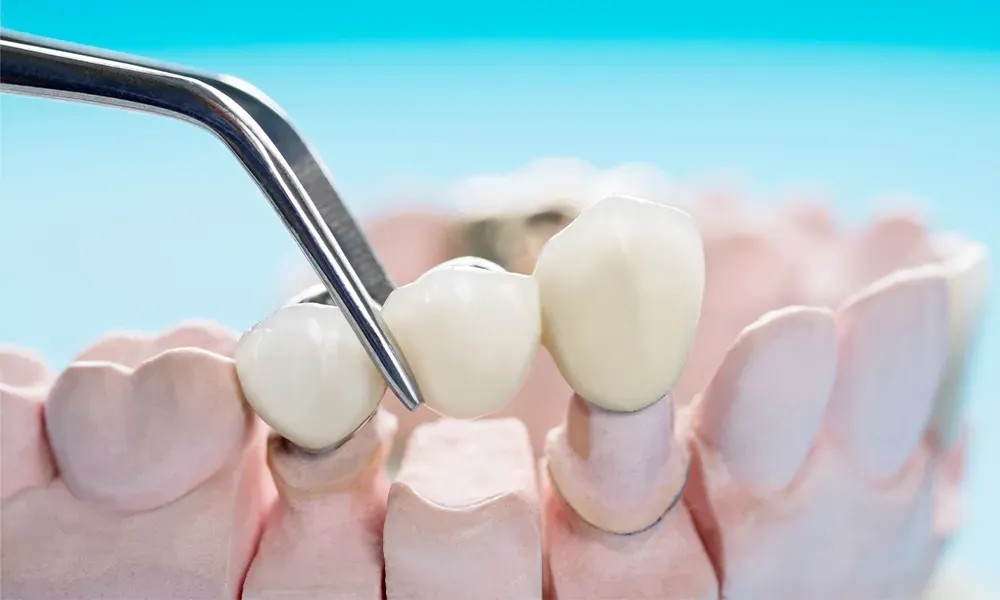
Fixed Bonded Bridges use surrounding healthy teeth to anchor replacement teeth with resin or metal frameworks. While less invasive, they require strong adjacent teeth and don’t prevent jawbone loss.
Removable Dentures are a budget-friendly way to replace multiple teeth, but they often cause discomfort and instability. They don’t stimulate the jawbone, leading to bone shrinkage and facial sagging over time. Dentures also require regular adjustments and limit food choices.
Dental Implants, however, function as artificial tooth roots, providing both strength and bone stimulation. They can support dental crowns, implant-supported dentures, or full-arch restorations.
Types and Benefits of Dental Implants
Dental Crowns replace single missing teeth, blending seamlessly with natural ones.
Implant-Supported Dentures attach directly to implants, providing a stable, adhesive-free fit and allowing for easier eating and speaking.
Full-Arch Implants replace an entire row of teeth, staying firmly in place and preserving the natural jaw structure.
Dental implants boast a 95% success rate and can last over 30 years. Unlike bridges or dentures, which require frequent replacement, implants are a one-time investment that prevents future costs. They also help preserve jawbone density, prevent facial sagging, and keep remaining teeth aligned.
A Natural Look and Feel
Because dental implants fuse with the bone through osseointegration, they mimic natural teeth both in appearance and function. This provides unmatched comfort and confidence, with no slipping or readjustments needed.







Comments